Game Category Impacts on Transaction Flows and Protection Protocols in App-Driven Casino Environments
Written by Parker Roth · May 28, 2026
Game Category Impacts on Transaction Flows and Protection Protocols in App-Driven Casino Environments
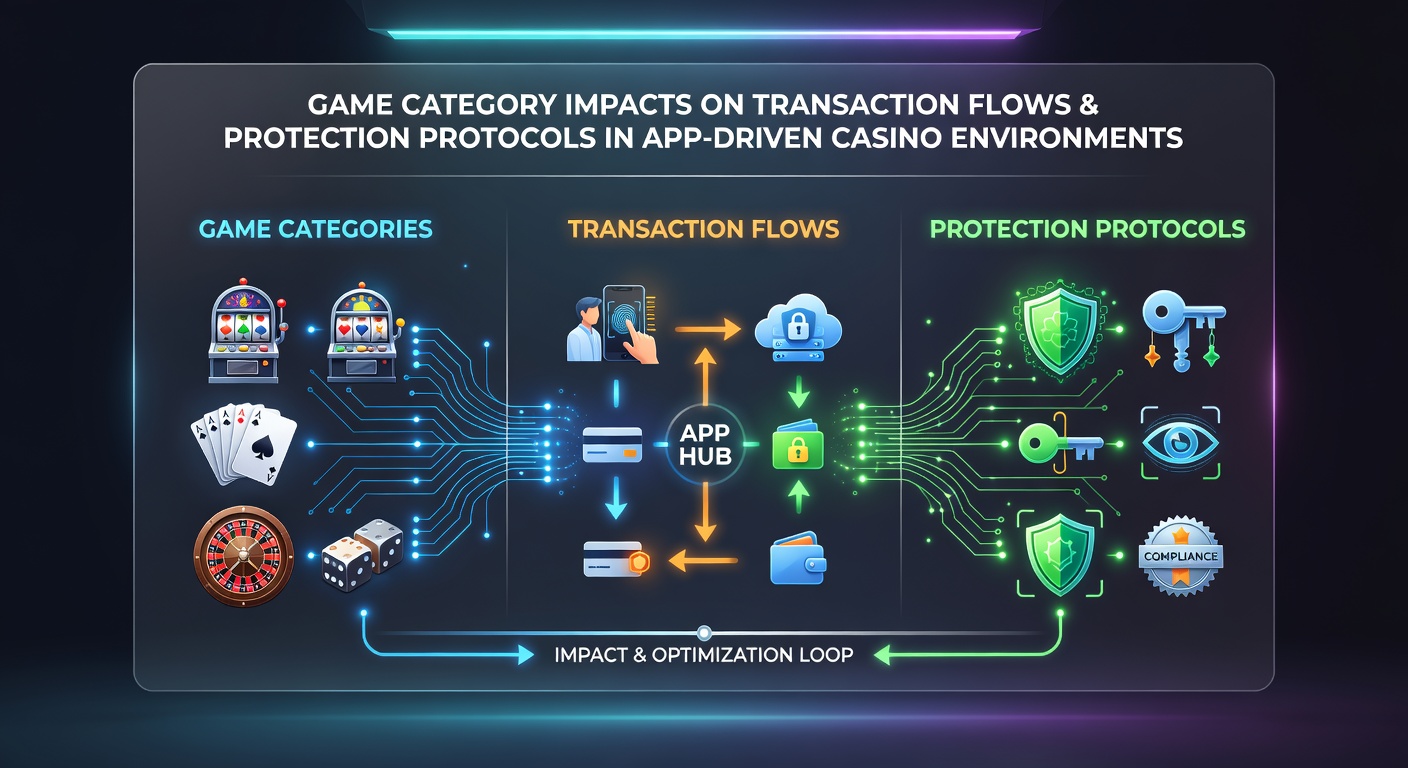
App-driven casino environments have transformed how players interact with various game types, and each category shapes transaction flows in distinct ways while influencing the design of protection protocols. Slots, table games, live dealer options, and video poker each generate unique patterns of deposits, bets, and withdrawals that operators must accommodate through tailored systems.
Game Categories and Their Core Characteristics
Slots dominate mobile platforms because of their rapid spin cycles and low entry points, which create high-frequency transaction volumes. Table games such as blackjack and roulette operate at a slower pace, with players often placing larger, more deliberate wagers that require different processing considerations. Live dealer titles combine real-time interaction with digital interfaces, leading to extended session durations and variable bet sizing that affect cash flow timing. Video poker sits somewhere between these extremes, offering strategic depth alongside automated payouts that influence both speed and verification needs.
Transaction Flow Patterns Across Categories
Data from industry monitoring shows that slot-heavy sessions produce frequent micro-transactions, with deposits often arriving in small increments followed by rapid withdrawals once bonus conditions clear. Table game play tends to cluster larger sums at fewer intervals, which can trigger additional verification steps before funds move. Live dealer environments extend play periods, resulting in gradual balance changes that operators track through continuous monitoring rather than batch processing. According to figures released by the New Jersey Division of Gaming Enforcement, mobile table game transactions in regulated markets averaged higher per-session values than slot activity during the first quarter of 2026.
Payment gateways must therefore adapt routing logic based on game type. High-volume slot traffic benefits from instant deposit rails such as digital wallets, whereas table game sessions sometimes route through slower but more secure methods that include additional fraud checks. Live dealer platforms frequently integrate session-based limits that adjust withdrawal windows to match the extended nature of play.
Protection Protocols Tailored to Game Dynamics
Protection systems respond directly to the risk profiles each category presents. Slots, with their fast pace, rely on automated velocity checks that flag unusual deposit-withdrawal sequences within short timeframes. Table games trigger enhanced due diligence when bet sizes exceed predefined thresholds, prompting identity confirmation or source-of-funds reviews. Live dealer streams introduce additional layers because real-time chat and multi-player tables can mask coordinated activity, so operators deploy behavioral analytics that monitor both financial and interaction data simultaneously.
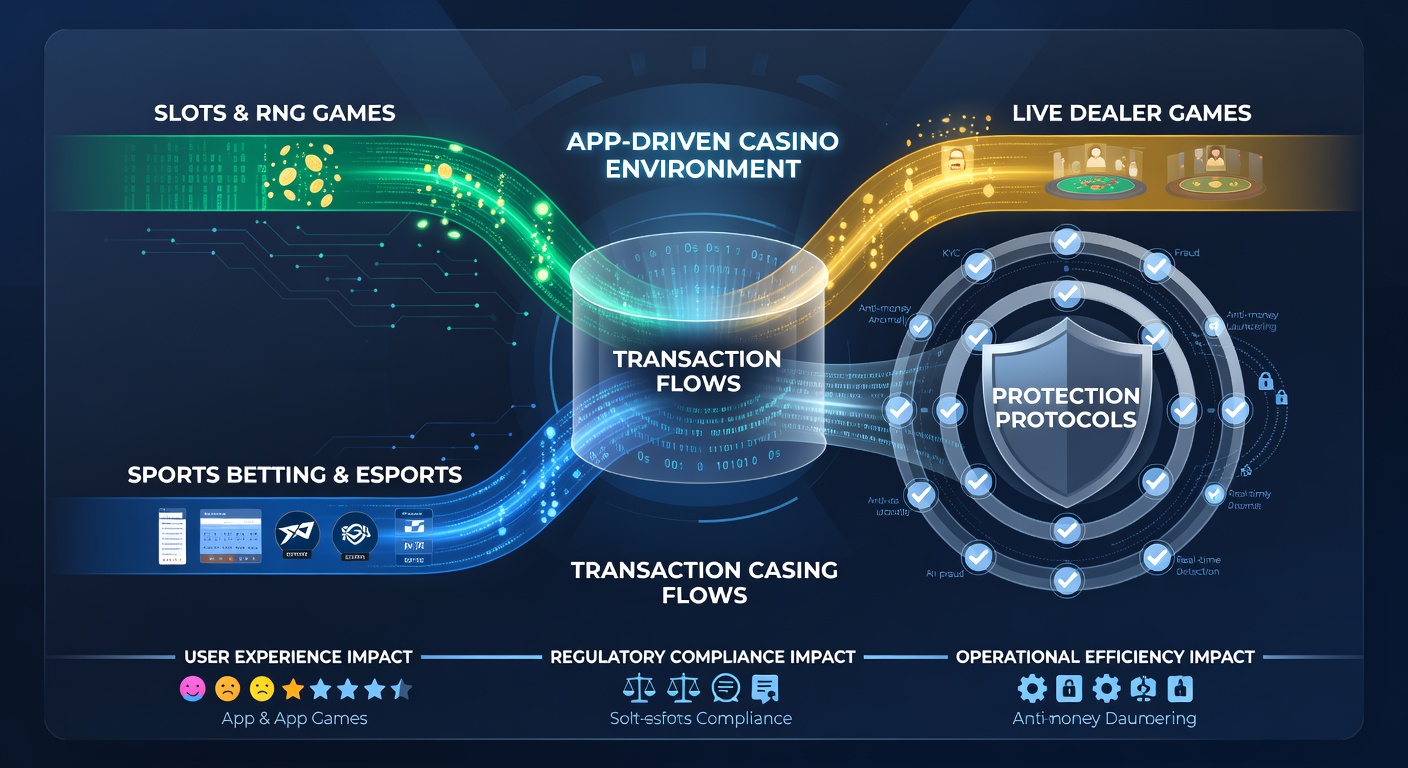
Research published by the Gambling Research Exchange Ontario indicates that category-specific algorithms reduced certain fraud patterns by measurable margins in Canadian markets through 2025 and into May 2026. These tools adjust dynamically: slot sessions receive tighter daily deposit caps, while live dealer environments apply progressive betting limits that tighten as session length increases.
Regulatory and Operational Integration
Regulatory bodies across regions require operators to demonstrate that transaction and protection frameworks account for game-specific behaviors. The Alcohol and Gaming Commission of Ontario, for example, mandates periodic audits that examine whether slot-driven micro-transactions receive equivalent scrutiny to high-value table game movements. European regulators, including those in Malta, have issued guidance documents that tie protocol design to the volatility profile of each vertical, ensuring that faster games do not bypass cumulative loss-limit tracking.
Operators implement these requirements through modular software architectures. One system might handle slot deposit velocity while another monitors live dealer session integrity, yet both feed into a central compliance dashboard. This separation allows updates to individual categories without disrupting the entire platform, a flexibility that has proven useful as mobile traffic continues to grow.
Future Adjustments and Industry Trends
As mobile technology advances, game categories continue to evolve alongside payment innovations. Instant settlement options appear more frequently in slot environments, whereas table and live dealer segments explore delayed withdrawal confirmations that align with extended play cycles. Data sharing between operators and regulators has increased, enabling more precise calibration of protection measures based on observed transaction flows rather than generic templates.
Conclusion
Game categories in app-driven casinos directly shape both the movement of funds and the safeguards surrounding those movements. Slots generate high-frequency activity that demands rapid processing paired with velocity controls, table games concentrate larger sums that trigger deeper verification, and live dealer formats extend sessions that require ongoing behavioral oversight. Regulatory frameworks in multiple jurisdictions now expect operators to reflect these differences in their systems, producing protection protocols that respond to the distinct rhythms of each vertical rather than applying uniform rules across the board.