Player Protection Tools Enhancing Rapid Mobile Transactions in Live Dealer and Slot Environments
Written by Freya Carter · May 19, 2026

Player Protection Tools Enhancing Rapid Mobile Transactions in Live Dealer and Slot Environments
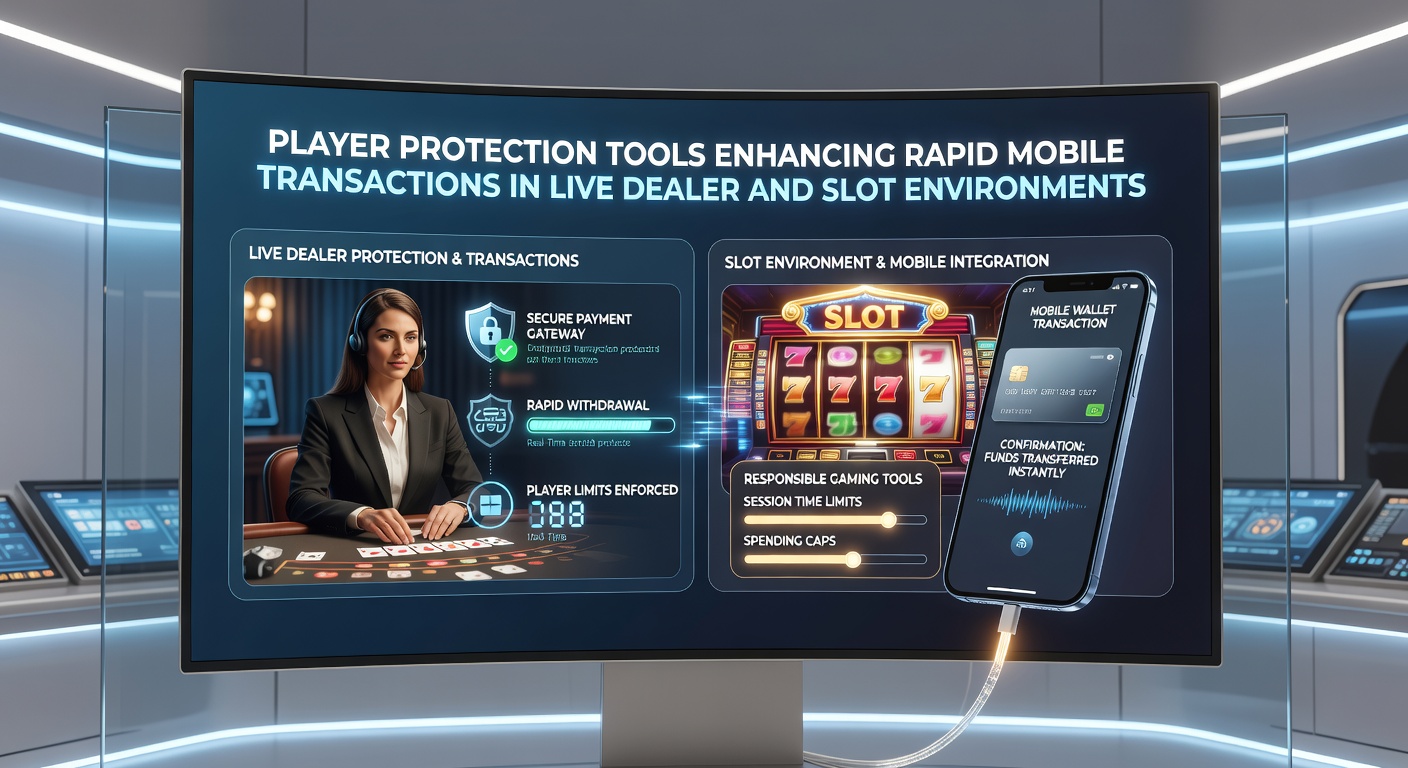
Player protection tools now sit at the center of fast mobile gambling platforms that handle live dealer tables and slot machines, where transactions complete in seconds while built-in safeguards monitor activity in real time. These systems combine spending limits, session timers, and automated alerts with instant deposit and withdrawal features so players maintain control even during high-speed play. Data from regulatory filings shows that operators who integrate these tools report steadier transaction volumes without spikes tied to unchecked sessions.
Integration of Limits and Instant Payments
Deposit caps and loss thresholds update automatically across mobile apps, syncing with payment processors so a player cannot exceed set amounts mid-session even when switching between live blackjack and quick-spin slots. Researchers at the University of Nevada Reno documented how these controls reduce average session length by measurable margins when paired with one-tap cashouts that still require confirmation through biometric checks. Observers note the process works because the same API layer that speeds up transactions also pauses them when a pre-set boundary triggers, creating a seamless handoff rather than a disruptive stop.
Time-based reminders appear as subtle overlays on the screen during live dealer rounds, giving users the option to extend or end play without interrupting the dealer flow. In slot environments the same alerts interrupt auto-spin sequences after fixed intervals, and the underlying transaction engine holds any pending wins until the player acknowledges the prompt. This approach keeps cashouts rapid for those who stay within guidelines while slowing momentum for others.
AI Monitoring and Regional Regulatory Shifts
Machine learning models scan betting patterns across thousands of simultaneous mobile sessions, flagging unusual activity that might signal loss of control before it escalates. These models operate alongside the payment rails so an alert can freeze further deposits without blocking an already approved withdrawal. As of May 2026 several North American and European operators expanded these AI layers following updates from state gaming boards that now require real-time risk scoring for all instant-play products.
What's interesting is how self-exclusion databases connect directly to mobile wallets, preventing accounts on the list from completing any new transactions even when using alternative payment methods. The Australian Communications and Media Authority published figures revealing that synchronized exclusion lists cut repeat high-velocity transactions among flagged users by more than half in the first quarter of the year. The same infrastructure allows quick reinstatement checks when players request removal after cooling-off periods, keeping the overall experience responsive rather than bureaucratic.
Biometric Verification and Transaction Speed
Facial recognition and fingerprint prompts now serve dual roles: they authorize rapid deposits during live dealer betting windows and simultaneously verify that the account holder remains the person who set the original limits. This dual function means the same verification step that speeds up play also reinforces protection layers without adding extra clicks. Industry reports indicate average withdrawal times for verified users dropped below thirty seconds on compliant platforms while still routing every transaction through the protection filter first.
Reality-check pop-ups in live dealer rooms display current session spend alongside remaining limits, and players can adjust those limits on the spot provided the change does not exceed daily caps. Slot interfaces embed the same data in the balance bar so users see both available funds and protected reserves at a glance. The design keeps the visual flow uninterrupted while ensuring the underlying transaction processor respects every boundary.
Case Examples from Operational Platforms
Take one mid-sized operator that rolled out combined protection and instant-pay features across its mobile live casino and slot portfolio in early 2026. Transaction logs showed that players who received automated limit reminders completed fewer repeat deposits yet maintained similar overall volume because quick cashouts encouraged shorter, more deliberate sessions. Another platform in a Canadian province linked its protection dashboard to provincial health resources, allowing one-tap access to support hotlines directly from the transaction screen without leaving the app.
These examples illustrate how protection tools do not slow down mobile gambling infrastructure; instead they run parallel to it, intercepting only when thresholds are crossed. The result is a system where speed and safety reinforce each other rather than compete.
Conclusion
Player protection mechanisms have become essential components of the rapid transaction systems that power live dealer and slot play on mobile devices. By embedding limits, AI oversight, biometric checks, and exclusion protocols into the same pathways that handle instant payments, operators create environments where speed remains high and user safeguards stay active. Data collected through 2026 continues to show that these integrated approaches support consistent transaction flows while meeting evolving regulatory expectations across multiple jurisdictions.